
I once sat in a Newcastle pub watching a bloke chase a pokies payout that never arrived. He blamed the machine. I blamed the sample size. That little confession frames the whole problem with how players read return-to-player figures on their phones. You see a percentage on a screen and assume it means something for your next session. It does not, not without enough spins and a clear eye on variance. When you hear people talk about statistical significance RTP pokies Australia, they usually skip the hard part: distinguishing a real signal from noise on a mobile connection.
Your phone sits in your pocket while you wait for a train near the harbour. The screen lights up. You tap a spin button and watch numbers dance. Most punters treat that display like a guarantee. A mathematician treats it like a distribution. The difference matters more than the brand on the cabinet. If you want to read payout claims honestly, you need to think about sample size, confidence, and the way an app or a browser shapes what you can actually observe.
Read the label before you tap spin
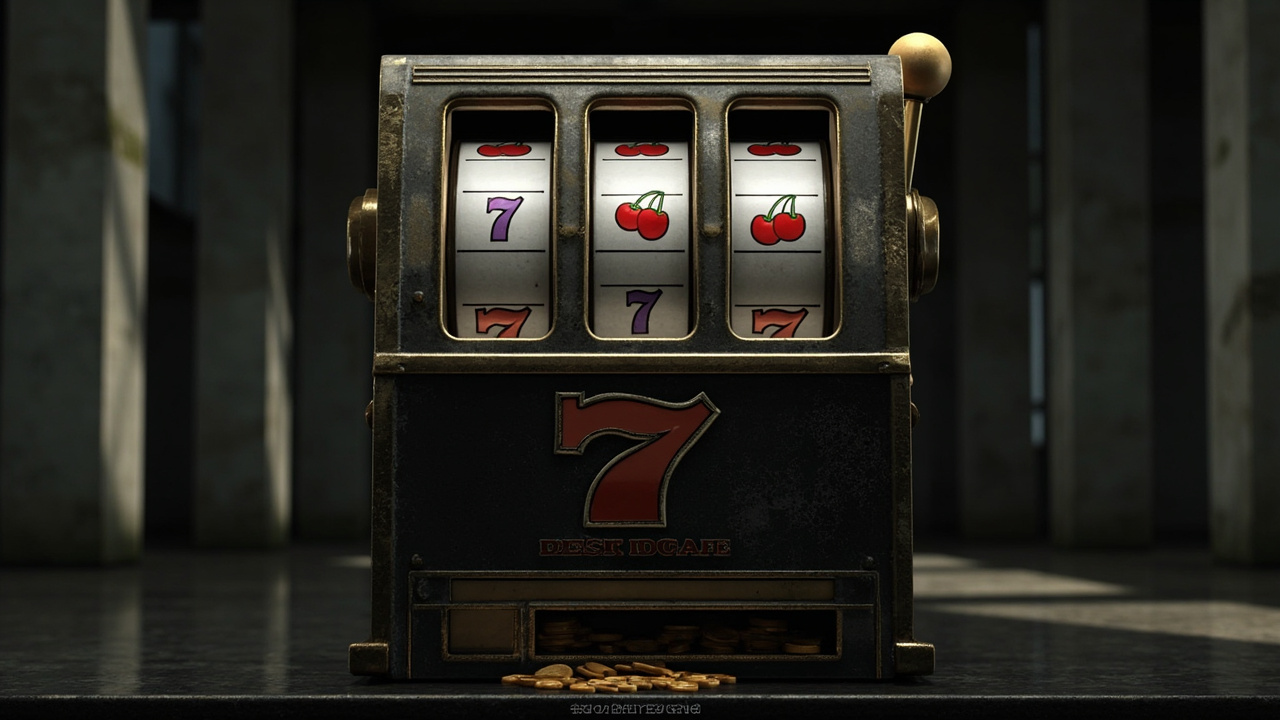
Every legitimate operator publishes a theoretical return somewhere in the help file or the rules. You have to find it first. Look for the percentage, then look for the disclaimer that says it applies over millions of spins. That second part is the whole story. A ninety-six per cent return on a single session tells you nothing about your wallet. It only describes a long-run expectation built into the maths.
You should also check whether the figure is a fixed game value or a blended network average. Some titles publish a tight range for a specific reel set. Others lump several variants together. The first gives you something concrete. The second gives you a marketing number that hides the actual volatility. Pick the title, not the headline.
Sample size is the whole argument
A punter in на странице Newcastle once told me he tracked two hundred spins on a favourite title and called the result proof. Two hundred spins is a snapshot, not a verdict. The variance on a modern pokie can swallow a small sample whole. You need a much longer run before the observed return starts hugging the published figure.
Think of it like monitoring rainfall across the Hunter region. One wet afternoon does not rewrite the climate. You need seasons of data before the pattern settles. The same logic applies to spin outcomes. If you want to judge a game honestly, you have to let the sample run long enough for the noise to thin out.
App versus browser on the move
The way you play changes what you can see and how much data you burn. An app usually loads faster and keeps the session smoother on a patchy connection. A browser tab is lighter on storage but can stutter when the signal drops near the station. Neither choice changes the underlying maths, but both change your ability to log sessions and keep track of results.
If you play on the train, you will care about battery and data caps. A browser session can chew through a metered plan if the page reloads often. An app usually caches assets and uses less data per spin after the first load. That practical difference matters more than the marketing around it, especially when you are trying to keep a clean record of your own play.

Volatility matters more than the headline
Two titles can publish the same return and feel completely different. One pays small wins often. The other holds back and then hits a larger cluster. That difference is volatility, and it shapes every session you sit through. A high-volatility game stretches the losing streaks and makes the sample size problem worse.
You should match the volatility to the way you actually play. If you want shorter sessions and frequent feedback, a lower-variance title is the honest pick. If you chase a bigger swing and can tolerate dry stretches, you need a larger bankroll and a longer patience window. The percentage on the screen does not tell you that part.
Keep your own session log
You can learn more from your own notes than from a forum claim. Write down the date, the title, the starting balance, the ending balance, and the spin count. Do it for a fixed window, say five sessions on the same game, and keep the stake constant. That gives you a small but real dataset you can actually read.
A log like that will not prove a game’s published return. It will tell you whether your own experience sits inside a reasonable range or somewhere off the edge. If you see a result that looks extreme, you will know whether it is a bad run or a sign you should stop digging. The record is the only tool that belongs entirely to you.
When the maths meets the regulator
Australian players deal with a split landscape. States handle different parts of gambling oversight, and offshore sites sit outside the local licence system entirely. You should not assume an overseas operator carries the same oversight as a domestic venue. The jurisdiction matters for complaint paths, not for the maths inside the game.
You can read state-level guidance and then cross-check the operator’s own published terms. If the two do not line up in plain language, walk away. A clear rules page is a better sign than a glossy homepage. The return figure still needs a large sample to mean anything, but the regulatory backdrop tells you who answers when something goes wrong.
A quick check before you deposit
Use a small, fixed test before you commit more money. Pick one title and one stake. Play a set number of spins, then stop and record the result. Treat it as a probe, not a verdict. You are looking for whether the session feels typical or wildly off, not trying to prove a percentage in one sitting.
- Choose a single game and read its published return and volatility notes.
- Set a fixed stake and a fixed spin count for the test session.
- Record the start balance, end balance, and total spins in a note.
- Compare the result to your usual range before you add more funds.
One punter’s numbers from the Lower Hunter
A regular player I know from the lower Hunter kept a tight log for three weeks on a single title. He started with a hundred dollars, played at a steady stake, and ended the window down eighteen dollars after roughly eight hundred spins. He felt cheated at first. The log showed a run well inside a normal volatile spread, not a broken game. That note changed his mood more than any forum post ever did.
He stopped chasing the feeling that the machine was due. He also stopped mixing titles mid-session, which had been muddying his own read. The lesson was simple. A clear record beats a strong opinion, and a small sample beats a guess every time.
What the experts watch
Annika Ryan, Head of Product, Wattle Gaming Partners, keeps an eye on how players interpret published figures. She has warned that a return number gets misread the moment it leaves the maths team and hits a marketing page. Her view is that operators should frame the figure with its sample context, not just the percentage.
Cryptocurrency casinos emerged in the 2010s, using Bitcoin and other digital currencies, and that shift changed how some players move money online. The payment method does not change the spin maths, but it does change how quickly a player can deposit, withdraw, and review a session. If you use a digital currency path, keep the same discipline with your log and your stake.
You can also check broader coverage on the Sydney Morning Herald when you want a local read on gambling policy and consumer angles. For a different take on mobile play and session flow, have a look at the spinago casino page and judge the layout for yourself.
Judge the game, not the hype
A return figure is a long-run promise, not a short-term receipt. Your phone, your connection, and your patience change how you experience the game, not what the maths says. Treat every percentage as a hypothesis until the sample is large enough to speak clearly. If you cannot wait for the sample, you are not reading the game at all.
Leave a Comment